ChatOps for Jira Service Management
Brief
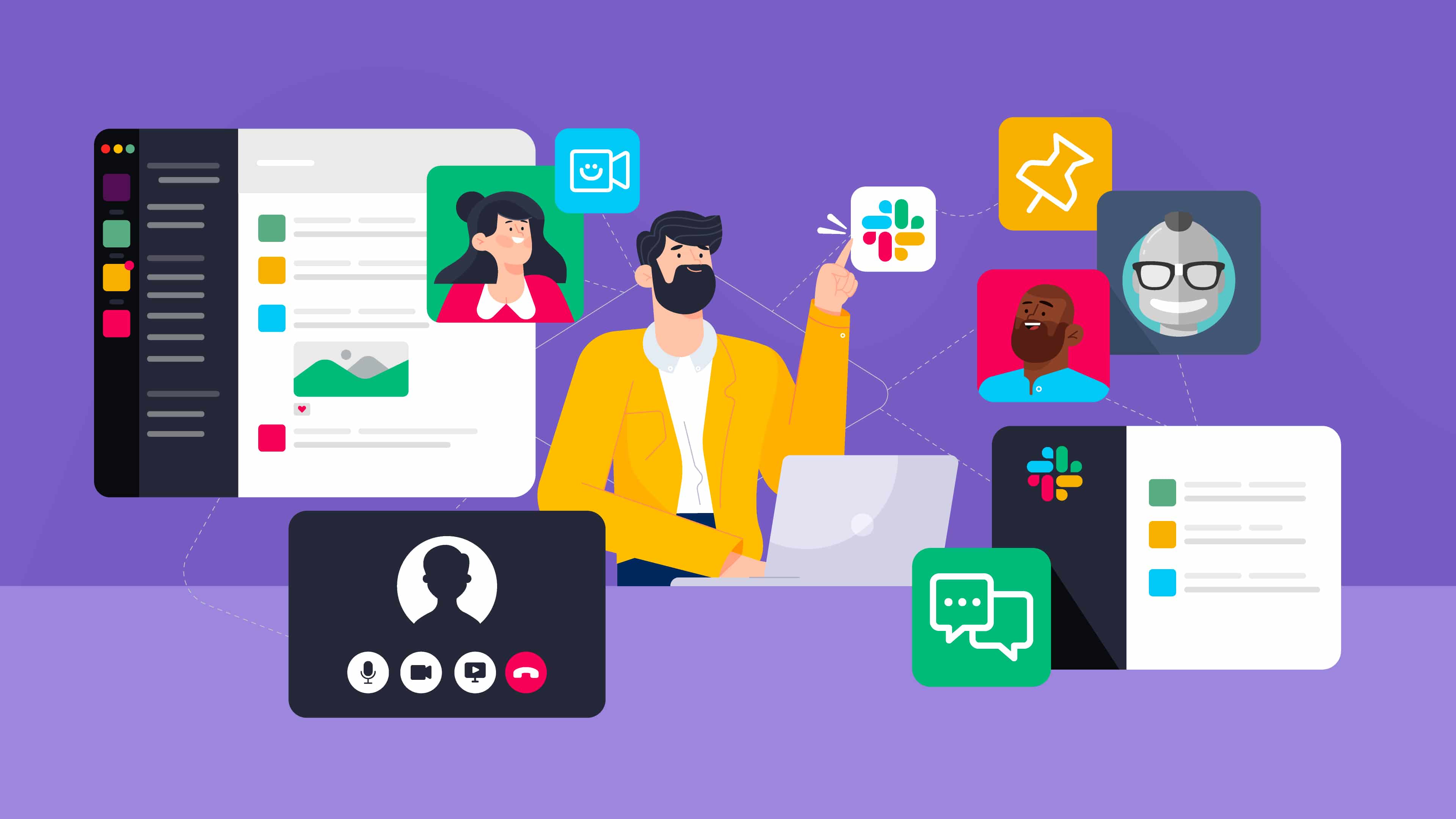
Enabling Ops teams to effectively collaborate on Jira Service Management via Chat Apps like Slack, Microsoft Teams and Zoom.
Currently on-call engineers and service desk agents need to go to JSM to manage issues, by allowing them to access all these functionalities through chat apps they can quickly connect and collaborate with their teams.
Additionally they will be notified about alerts directly in their preferred chat app and can attend to events promptly without switching context, thus increasing efficiency and avoiding escalations.
Enabling ChatOps for your team
[Insert avatar image]
To get started the Site Admin must connect the workspace/tenant for the chat app, this will allow them to access JSM through their preferred app.
[Insert scroll steps]
[Insert avatar image] Next, your Project Admin will need to enable the workspace for projects, this is an additional step required to enable Chat apps for ‘Incident management’.
[Insert scroll steps]
[Insert avatar image] Service Desk Agents can now authorise their user and begin collaborating on 'Incidents' by creating a “Channel” on Slack, “Channel” or “Meeting” on Microsoft Teams, or “Meeting” on Zoom.
[Insert scroll steps]
[Insert avatar image] To begin receiving Alerts, Team Admins need to enable Operations for their teams and create Chat integrations.
[Insert scroll steps]
Marketing & Discovery
To ensure that our customers were informed about the upcoming features we collaborated with the marketing team to highlight ChatOps in all marketing touch-points and collaterals; i.e. emails, newsletters, onboarding.
New skills & improving domain knowledge
To unblock engineers, I took on the added responsibility of learning the Slack Block Kit (API Kit) to develop the new Summary Card design sent on the Slack Chat UI.
Since the design I had in mind wasn’t readily available in the blocks I used the JSON to customise the blocks to better align with my vision. This made me quickly understand the limitations of the Block Kit and work on the build and design iteratively to make it feasible and have it ready for the upcoming release.
[Insert image of old Slack summary card, Block kit UI building, new Slack summary card]
My Role
Outlining the end-to-end experience for all touch-points (JSM, Slack, Microsoft Teams, Zoom)
Understanding the nuances and behaviours of the integrated 3P apps along with their unique UI Kits, Component Libraries and Interactions
Ensuring that the solution was catering to user needs, and prioritising their asks
Increasing empathy within the team to consider non-technical individuals using the product
Ensuring that the experience was intuitive and providing guidance/discoverability for areas that weren’t
Championing accessibility
Challenges
Building context about an extremely technical product in a short amount of time and delivering within the timeline
Re-establishing myself and instilling trust within the triad
Enrolling the triad in the importance and value of a having a designer on the project. Since the team didn’t have a designer earlier and engineers/PM’s were making product decisions it became challenging to introduce design processes into the workflow
Learning
Learning to work with cross-functional teams for overlapping work-areas (working with the integrations team to power the 3P integrations)
Working effectively with teams across geographies and being empathetic to cultural differences
Being more assertive about design decisions and justifying requirements with more qualitative research to deliver high value customer asks
What would I do differently?
The explore phase for this project was already complete by the time I was onboarded at Atlassian so if I were to do anything differently I would have spent more time building a better understanding about the usage of the solution and all its use cases rather than the experience that the engineering team and PM had put together, to build my own point of view. I believe its easier making changes before the first release as it dictates user behaviour and familiarity that would require more effort and guidance to change in a follow-up release.
Having said that, for the next release my focus would be to make the solution mobile-first since most chat tools are accessed more frequently on mobile versus web.
Team
Trisha Mody (Lead Designer)
Juhi Duseja (Project Manager)
Vaishnav Shravan (Content Designer)
Vinit Jain (Engineering Team Lead)
Abhishek Jaiswal (Back-End Engineer)
Vidita Rustogi (Front-End Developer)
Collaborators
OpsGenie Team (Turkey)
Automation Team (USA)